How to Transfer Files Between Android and PC
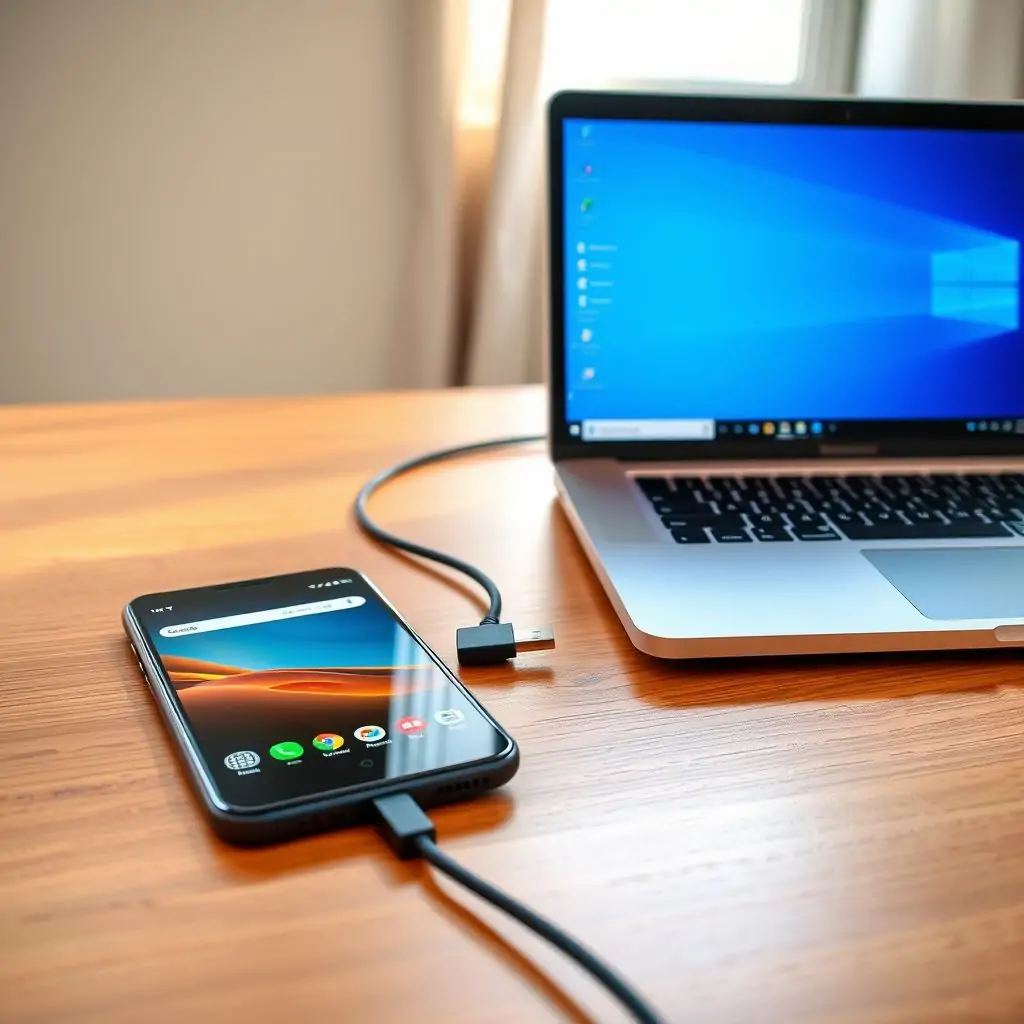
Transferring files between your Android device and PC can be a daunting task for many users, especially when dealing with large volumes of data or specific file types that require specialized handling. However, there are several efficient methods available to streamline the process and ensure seamless connectivity between these devices. In this article, we will delve into various techniques on How to Transfer Files Between Android and PC, providing you with comprehensive insights and practical steps to achieve a hassle-free file transfer experience.
- Introduction
- Why File Transfer is Essential
- Direct USB Connection for How to Transfer Files Between Android and PC
- Using Bluetooth for File Transfers
- Cloud Services: A Comprehensive Solution for Mobility
- File Transfer Apps to Enhance Connectivity Between Devices
- Advanced Tips and Tricks for Effective File Management
- Conclusion on How to Transfer Files Between Android and PC
Introduction
In today’s digital landscape, the need for seamless integration between smartphones and computers has never been more critical. Whether you’re a professional needing to transfer work documents or an avid gamer looking to move game saves, knowing how to transfer files between Android and PC is essential. This article aims to provide you with in-depth knowledge on How to Transfer Files Between Android and PC, covering multiple methods ranging from simple USB connections to advanced cloud solutions.
Why File Transfer is Essential
The ability to transfer files efficiently between your Android device and PC offers numerous benefits. Firstly, it allows for better organization of personal and work-related data across different devices. Additionally, transferring large files such as videos or high-resolution images can be more efficient using certain methods compared to others. For instance, cloud storage services like Google Drive offer real-time syncing capabilities that keep your documents up-to-date across all your devices.
Key Benefits
- Data Synchronization: Ensures that files are updated and accessible on both devices simultaneously.
- Ease of Use: Simplifies the process of accessing files from either device without needing to carry multiple storage mediums.
- Backup Solutions: Helps in creating backups for important data, reducing the risk of data loss due to hardware failure or theft.
Direct USB Connection for How to Transfer Files Between Android and PC
The most straightforward method to transfer files between your Android device and a computer is through direct USB connection. This involves connecting the Android phone to your PC via a USB cable, allowing you to drag-and-drop files directly from your mobile storage into your computer’s folders.
Steps for Direct USB Connection
- Select MTP Mode: Ensure that when connected, your Android device is set to Media Transfer Protocol (MTP) mode. This setting enables file access through the USB connection.
- Install Necessary Drivers: For some devices and operating systems, you may need to install specific drivers to facilitate the transfer process seamlessly.
- Browse Files: Once connected, your Android device will be visible as an external drive in File Explorer or Finder. Simply navigate through the directories on both devices to copy files back and forth.
Using Bluetooth for File Transfers
An alternative method to transfer files between Android and PC is using Bluetooth technology. This wireless approach is ideal for smaller file sizes, such as documents or images, and doesn’t require any additional hardware beyond the devices themselves.
Steps for Bluetooth Transfer
- Pair Devices: Ensure your Android device and computer are paired via Bluetooth settings on both ends. This may involve entering a pairing code if prompted.
- Select File Types: Choose the type of files you wish to transfer, such as text documents or music tracks.
- Initiate Transfer: Start the file transfer process either from your Android device by selecting “Send via Bluetooth” or through your computer’s Bluetooth settings.
Cloud Services: A Comprehensive Solution for Mobility
The use of cloud services such as Google Drive, Dropbox, and OneDrive offers a robust solution for file transfer between Android devices and PCs. These platforms not only simplify the process but also enhance security and accessibility.
Advantages of Cloud Storage
- Real-Time Syncing: Files uploaded to cloud services are automatically synchronized across all linked devices, ensuring you always have access to updated information regardless of where you’re located.
- Data Security: Many cloud providers offer advanced encryption methods to protect your data from unauthorized access and cyber threats.
- Multi-Device Access: With a single account on various platforms (like Google Drive), you can manage files across multiple devices without redundancy issues.
File Transfer Apps to Enhance Connectivity Between Devices
For users seeking more specialized tools, several file transfer applications exist that cater specifically to the Android and PC combination. These apps often come with enhanced features such as batch transfers or cross-platform compatibility.
Prominent File Transfer Applications
- Xender: A popular choice known for its speed and ease of use, Xender allows you to send files between different devices over Wi-Fi without the need for internet connection.
- Airdroid: Offers a web-based interface from which users can manage their Android device remotely, including file transfers, app installations, and system settings changes.
Advanced Tips and Tricks for Effective File Management
To optimize your experience in transferring files between Android and PC, consider adopting some advanced strategies. These tips can help enhance efficiency and security while managing large volumes of data or specific file types.
Optimization Strategies
- Use External Hard Drives: For bulk transfers involving extensive media libraries or databases, an external hard drive connected to your PC can significantly speed up the process compared to internal storage capacities.
- Leverage FTP Clients: Software like FileZilla provides robust file transfer capabilities over networks, ideal for professionals working in environments requiring high-speed data exchange protocols.
Conclusion on How to Transfer Files Between Android and PC
In conclusion, transferring files between your Android device and PC can be achieved through a variety of methods, each offering unique advantages depending on the scenario. Whether you prefer direct USB connections for immediate access, Bluetooth for quick transfers over short distances, or cloud services for comprehensive cross-device management, understanding these techniques will undoubtedly empower you to handle data more efficiently. Embracing advanced tools and strategies further elevates your capabilities in this realm.
By mastering How to Transfer Files Between Android and PC, you equip yourself with the necessary skills to manage personal and professional needs seamlessly across multiple devices, enhancing productivity and accessibility wherever your digital journey takes you. For more technical insights on leveraging technology optimally, visit Tool Engines.

- Tool Engines
- How to Transfer Files Between Android and PC March 27, 2026
- Guide to Customizing Android Home Screen March 27, 2026
- Fix Common App Crashing Issues on Android March 27, 2026
- How to Root Android Phone Safely March 27, 2026
- Best Hidden Features in Android You Should Try March 27, 2026