How to Customize Dock and Menu Bar on Mac
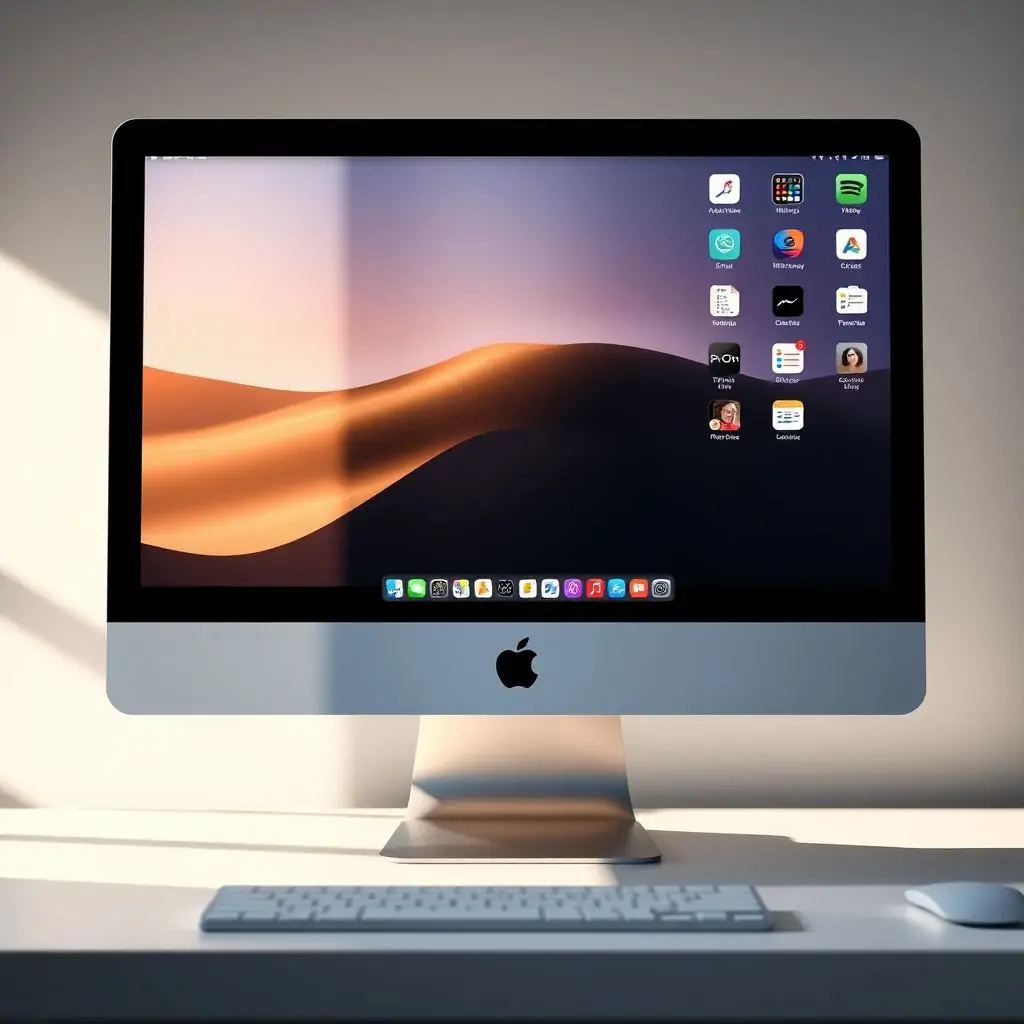
Customizing your Mac’s user interface can significantly enhance productivity and personal satisfaction with your computer experience. One of the most impactful changes you can make is to How to Customize Dock and Menu Bar on Mac. This guide will walk you through detailed steps, tips, and tricks for modifying both the dock and menu bar to suit your specific needs.
Table of Contents
- Understanding the Basics: Dock and Menu Bar on Mac
- How to Customize Dock and Menu Bar on Mac: Step-by-Step Guide
- Enhancing Your Workspace with Third-Party Apps
- Troubleshooting Common Issues When Customizing the Dock and Menu Bar
- Best Practices for Maintaining a Clean and Efficient User Interface
Understanding the Basics: Dock and Menu Bar on Mac
The dock is the panel at the bottom of your screen that contains icons for frequently used applications, documents, folders, and services. The menu bar sits at the top of the screen and houses system-wide controls like Spotlight search, Time Machine backup, network connectivity options, and volume control.
Features and Functions
The dock provides quick access to your favorite apps, while the menu bar offers essential settings for controlling various aspects of your Mac. Both elements are fully customizable, allowing users to tailor their experience based on personal preferences or workflow requirements.
How to Customize Dock and Menu Bar on Mac: Step-by-View Guide
This section will delve into the process of how to customize dock and menu bar on mac, offering step-by-step instructions alongside expert tips.
Dock Customization
- To add an app, simply drag its icon from Finder or Launchpad onto the Dock. To remove one, right-click it and choose “Options,” then uncheck “Keep in Dock.”
- Right-click (or Control-click) on any part of the Dock to access options like resizing or enabling magnification.
Menu Bar Customization
- To add an item, go to System Preferences > Desktop & Screen Saver and select the “Menu Bar” tab. Click “+” to add a new widget or application.
- To remove items, simply click on them in the menu bar and drag them off the screen. You can also right-click any item for options like hiding it.
Enhancing Your Workspace with Third-Party Apps
For users seeking more advanced customization features, third-party applications offer additional flexibility:
- Objective Development Bartender 4: A powerful menu bar management tool that allows you to hide and organize items.
- Magnet: Enables precise window positioning using keyboard shortcuts or drag-and-drop functionality, enhancing workflow efficiency.
Troubleshooting Common Issues When Customizing the Dock and Menu Bar
Occasionally, customization can lead to unexpected issues. Here’s how to address some common problems:
Dock Resizing Problems
- Try resetting your Dock by opening Terminal and entering “defaults write com.apple.dock mru-bottom-half -bool true; killall Dock.”
Best Practices for Maintaining a Clean and Efficient User Interface
Maintaining an organized user interface is crucial for keeping your Mac running smoothly:
- Limit the number of icons in the Dock to only what you use frequently.
- Regularly review your menu bar items; remove any unnecessary or outdated ones.
Implementing these strategies can significantly improve your computing experience, making navigation faster and more intuitive.
Conclusion
In conclusion, mastering the art of how to customize dock and menu bar on mac is a powerful way to enhance productivity and satisfaction with your Mac. By carefully selecting the right apps and settings, you can tailor your user interface to perfectly match your needs.
Note: For more information on optimizing your computing environment, consider exploring ToolEngines, which offers a wide range of tools and resources for Mac users. Additionally, staying informed about the latest developments in technology can be beneficial; check out financial news sites like Bloomberg to stay ahead.

- Tool Engines
- How to Customize Dock and Menu Bar on Mac April 10, 2026
- Advanced Finder Tips and Hidden Features April 10, 2026
- How to Use Universal Control Between Mac and iPad April 10, 2026
- Complete Guide to Windows Firewall Settings April 10, 2026
- How to Use Focus Assist to Stay Productive April 10, 2026