Guide to Android Privacy and Security Settings
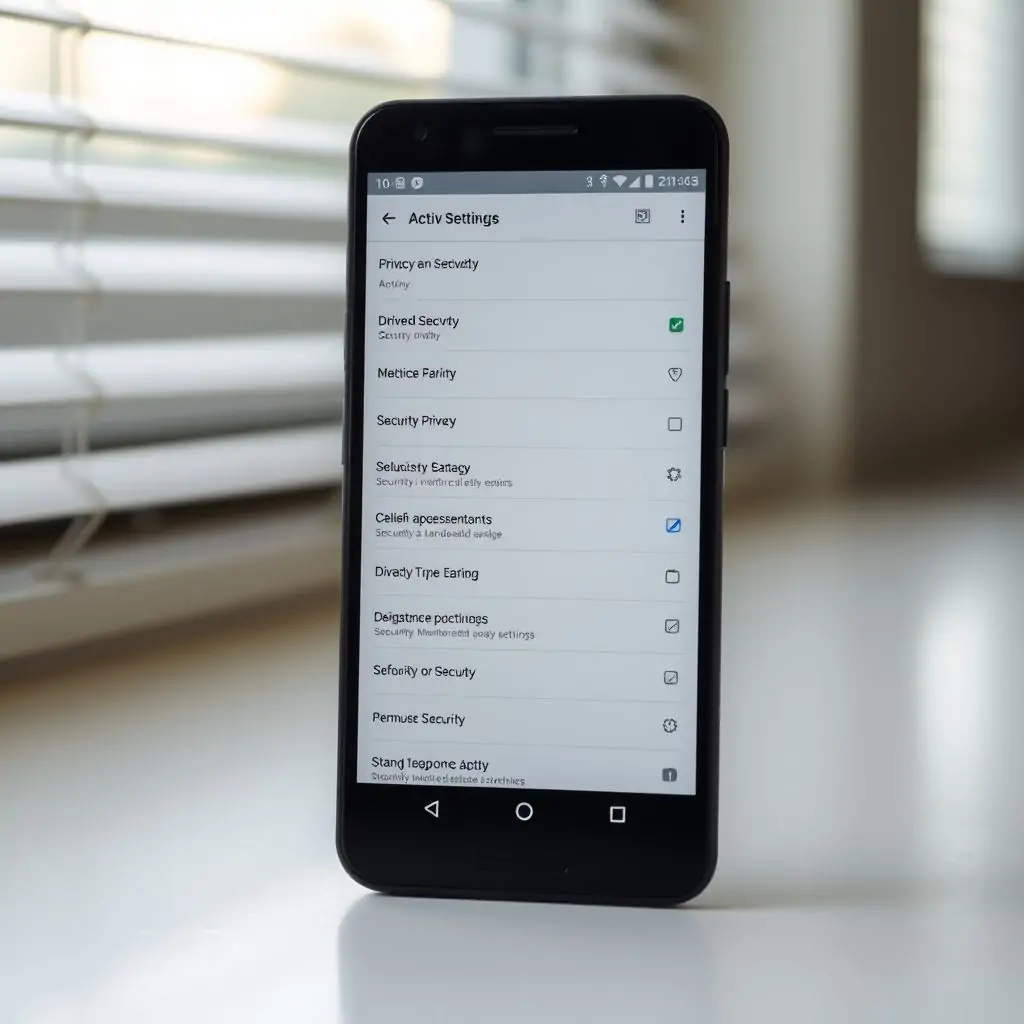
The rapid evolution of technology has brought about significant changes in how we interact with our devices. For Android users, ensuring that privacy and security settings are optimized is crucial to maintaining personal data integrity and safeguarding against cyber threats. This Guide to Android Privacy and Security Settings will delve into the essential configurations you can make on your device to enhance its safety.
Table of Contents
- Understanding Basic Privacy and Security Settings in Android
- Enabling Two-Factor Authentication for Enhanced Protection
- Using Google’s Built-in Security Features Effectively
- Managing App Permissions to Protect Your Privacy
- Securing Your Device Against Malware and Phishing Attacks
- Understanding the Importance of Regular Software Updates
- Customizing Advanced Security Settings for Maximum Control
Guide to Android Privacy and Security Settings: Understanding Basic Privacy and Security Settings in Android
When it comes to securing your Android device, the first line of defense is understanding basic privacy and security settings. These are crucial for preventing unauthorized access and protecting sensitive data. Starting with Biometric Authentication, such as fingerprint or facial recognition, can provide a secure login method that significantly reduces the risk of unauthorized use.
Enabling Biometric Security Features
To activate biometrics on your Android device, go to Settings > Security & Location > Fingerprint (or similar options for facial recognition). Follow the on-screen instructions to set up and confirm your choice of authentication method.
Enabling Two-Factor Authentication for Enhanced Protection
Two-factor authentication (TFA) is an essential security feature that adds a second layer of protection to your Android device. By combining something you know (password) with something you have (phone), TFA makes it more difficult for attackers to gain unauthorized access.
How to Enable Two-Factor Authentication on Your Device
To set up two-factor authentication, navigate to Settings > Security & Location > Advanced > Google Account > Security settings. Here you can configure TFA using methods like SMS, voice calls, or an authenticator app.
Using Google’s Built-in Security Features Effectively
Google offers several built-in security features that can help protect your Android device from various threats. These include Find My Device, which allows you to locate, lock, or erase your phone if it’s lost or stolen.
Activating Find My Device Feature
To activate this feature, go to Settings > Security & Location > Advanced > Google Account > Security settings. Then, turn on the “Find My Device” option. You can also download and install the app from the Play Store for quick access.
Managing App Permissions to Protect Your Privacy
Each application you install on your Android device requests various permissions that allow it to perform specific functions. However, these same permissions could be misused by malicious apps if not managed properly. Therefore, understanding how to manage app permissions is crucial.
Reviewing and Adjusting App Permissions
Go to Settings > Apps & Notifications > Advanced > Permission Manager. Here you can see a list of all installed apps along with the permissions they request. Review each app’s permissions carefully and adjust them as necessary.
Securing Your Device Against Malware and Phishing Attacks
Malware and phishing attacks pose significant threats to Android devices, potentially compromising personal information or damaging your device. To mitigate these risks, it’s important to employ proactive measures such as installing an anti-malware app.
Installing Anti-Malware Applications
To protect against malware and phishing attacks, download a reputable security application from the Google Play Store like Norton or McAfee. These apps will regularly scan your device for potential threats and provide real-time protection.
Understanding the Importance of Regular Software Updates
Regularly updating your Android operating system is critical not only for performance improvements but also to fix security vulnerabilities that could be exploited by hackers. By keeping your software up-to-date, you significantly reduce the risk of falling victim to known exploits.
How to Keep Your Device Updated
Go to Settings > System > Advanced > System update. Here you can check for new updates and install them as soon as they become available. Alternatively, enable automatic updates in the same settings menu.
Customizing Advanced Security Settings for Maximum Control
For users seeking even greater control over their device’s security features, Android offers advanced options that can be customized according to individual needs. These include setting up a secure lock screen or configuring data protection policies.
Setting Up Enhanced Lock Screen Security
To enhance your lock screen security further, go to Settings > Security & Location > Advanced > Screen pinning. Here you can enable features like smartlock for trusted devices and work profiles if applicable.
In conclusion, adhering to the recommendations outlined in this Guide to Android Privacy and Security Settings, users can significantly enhance their device’s security and protect sensitive information from unauthorized access. Regularly reviewing these settings and staying informed about new threats is key to maintaining a secure environment on your Android device.

- Tool Engines
- Guide to Android Privacy and Security Settings April 10, 2026
- Best Automation Apps for Android April 10, 2026
- How to Create Custom Themes on Android April 10, 2026
- How to Customize KDE Plasma Desktop April 10, 2026
- Troubleshoot Network Manager Problems on Linux April 10, 2026