Best Weather Apps for Desktop and Mobile
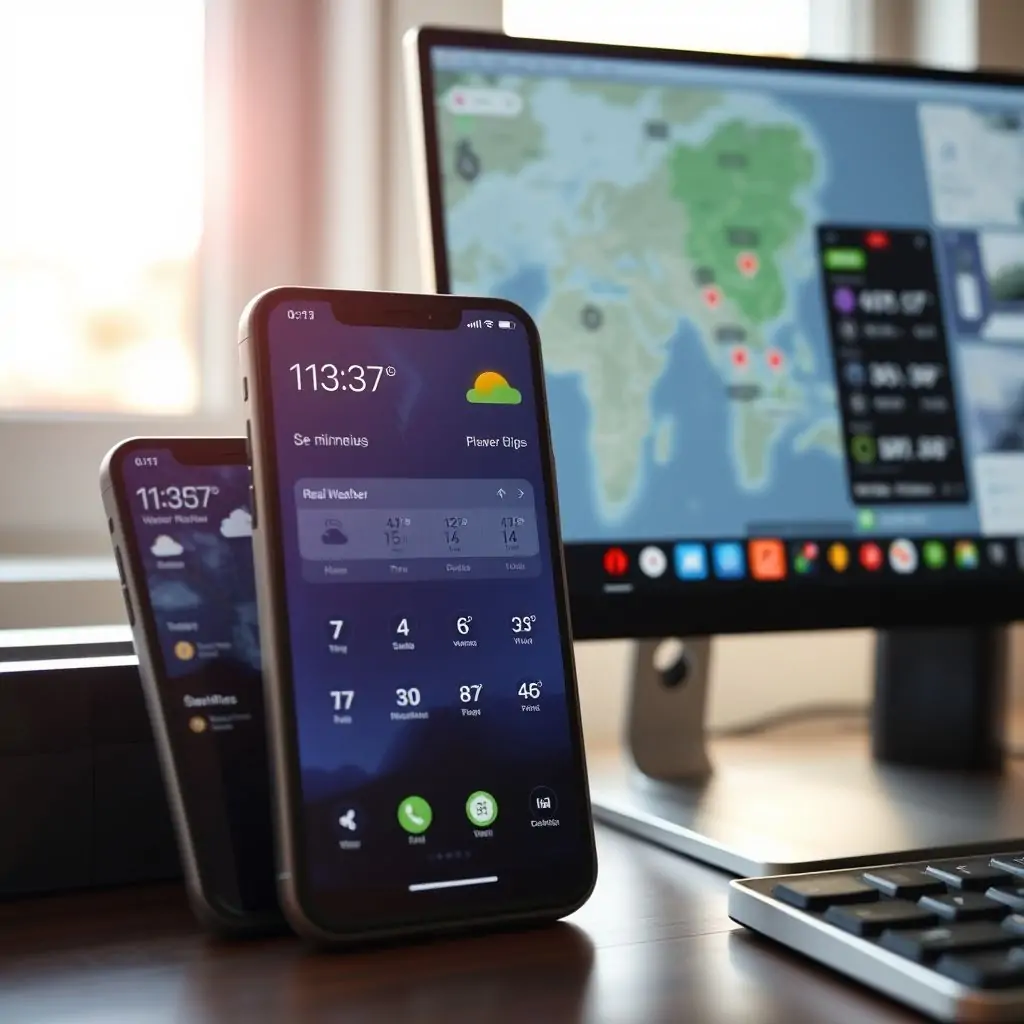
The world of weather forecasting has seen significant advancements with the advent of technology. Gone are the days when you had to rely solely on television broadcasts or newspaper clippings for accurate weather updates. Today, there is a plethora of Best Weather Apps for Desktop and Mobile, each designed to provide comprehensive and localized information tailored to your needs. This article delves into the most reliable and feature-rich apps that stand out in today’s crowded market.
- Introduction to Best Weather Apps for Desktop and Mobile
- Key Features of Effective Weather Apps
- Best Weather Apps for Desktop Users
- Top Weather Apps for Smartphone Users
- Choosing the Right Weather App: A Step-by-Step Guide
- Weather Apps and Data Privacy Concerns
- The Role of Artificial Intelligence in Weather Forecasting
- Conclusion: Making the Most of Your Weather App
Introduction to Best Weather Apps for Desktop and Mobile
The ubiquity of mobile devices has led to an explosion in the number of weather applications available today. However, not all apps are created equal. The Best Weather Apps for Desktop and Mobile offer a blend of accuracy, usability, and advanced features that cater to diverse user needs. From real-time updates and detailed hourly forecasts to interactive maps and severe weather alerts, these applications serve as indispensable tools for both casual users and professionals alike.
Key Features of Effective Weather Apps
When evaluating Best Weather Apps for Desktop and Mobile, several key features should be considered to ensure the app meets your requirements:
- Accuracy and Timeliness: The foremost quality of any weather application is its ability to deliver accurate forecasts. Users expect their apps to provide timely updates, especially during severe weather conditions.
- User Interface Design: A visually appealing and intuitive design enhances user experience by making it easier for users to navigate and access information without complications.
- Customizability and Alerts: Effective weather apps allow users to customize settings such as location tracking, preferred units of measurement (metric or imperial), and notification preferences for severe weather alerts.
- Integration with Other Services: Many advanced applications offer seamless integration with other services like Google Maps or social media platforms to enhance functionality.
- Data Privacy and Security: With the increasing concern over data privacy, it’s crucial for weather apps to handle user information responsibly.
Accuracy and Timeliness
Users rely on accurate forecasts to plan their day-to-day activities. The best weather apps employ sophisticated algorithms and extensive datasets to predict future conditions with high precision. Furthermore, these applications often incorporate real-time data from various meteorological stations around the globe.
User Interface Design
A well-designed interface ensures that users can quickly find what they need without feeling overwhelmed by excessive information or complex navigation menus. Clean layouts and easy-to-read fonts contribute to a positive user experience.
Customizability and Alerts
Allowing customization enables users to tailor the app’s functionalities according to their preferences, such as setting up notifications for specific weather conditions or adjusting the type of data displayed. For example, a surfer might want alerts for strong winds and high tides.
Integration with Other Services
Some of the Best Weather Apps for Desktop and Mobile integrate seamlessly with other digital services to provide an enhanced experience. For instance, connecting your weather app to Google Maps can give you real-time traffic updates based on current weather conditions.
Data Privacy and Security
Given the sensitivity of personal data, especially location information, it’s important for weather apps to have robust privacy policies in place. Users should feel confident that their data is being handled securely without unnecessary sharing or misuse.
Best Weather Apps for Desktop Users
While mobile applications dominate the market, there are several top-tier weather apps designed specifically for desktop users:
- AccuWeather: Renowned for its precision and user-friendly interface, AccuWeather offers detailed hourly forecasts along with interactive maps.
- Wunderground.com: A comprehensive weather platform that provides extensive data including historical trends, radar images, and a variety of forecast models.
- Weather Underground: Known for its advanced features such as severe weather warnings, pollen counts, and UV indexes.
AccuWeather
With over 40 years of experience in meteorology, AccuWeather offers reliable forecasts backed by a network of global data centers. Its desktop application is optimized for both Windows and Mac operating systems, ensuring smooth performance regardless of your setup.
Wunderground.com
Launched in 1995, Wunderground has since become a go-to resource for detailed weather information. Its desktop version provides users with comprehensive data visualization tools and customizable dashboards to track local conditions.
Weather Underground
This app combines sophisticated technology with user-friendly design elements to deliver accurate forecasts tailored to individual needs. It also integrates seamlessly with various smart home devices for enhanced control over your environment.
Top Weather Apps for Smartphone Users
The mobile weather application market is incredibly competitive, but a few apps consistently stand out due to their superior performance and user satisfaction:
- Dark Sky (acquired by Apple): Known for its hyper-local radar technology that predicts when it will start raining or snowing.
- Weather Underground Mobile: A powerful tool offering real-time conditions, hourly forecasts, and detailed maps. It also includes alerts for severe weather events.
- The Weather Channel App: Provides comprehensive coverage of weather news and updates with interactive features like live cams and radar scans.
Dark Sky (acquired by Apple)
Originally launched in 2015, Dark Sky quickly gained popularity for its innovative approach to predicting precipitation down to the minute. Its seamless integration with iOS devices made it even more appealing.
Weather Underground Mobile
The mobile version of Weather Underground retains all the functionality and accuracy of its desktop counterpart, making it ideal for on-the-go weather tracking. Users can customize their experience by setting up alerts and saving multiple locations.
The Weather Channel App
Offering a wide range of features including video reports, regional forecasts, and interactive maps, the The Weather Channel App is one of the most trusted names in weather prediction. It keeps users informed about breaking news and extreme conditions.
Choosing the Right Weather App: A Step-by-Step Guide
Selecting a suitable weather app involves several considerations:
- Identify Your Needs: Determine whether you need basic information or advanced features such as pollen counts, UV indexes, and severe storm warnings.
- Research App Features: Look into the specific functionalities offered by each app to see which ones align best with your requirements.
- Read User Reviews: Feedback from current users can provide valuable insights about an app’s strengths and weaknesses. Check ratings on trusted platforms like Google Play Store or App Store.
- Test Before Committing: Most reputable apps offer free trials or limited versions to let you assess their performance firsthand before committing to a paid subscription.
Identify Your Needs
Consider the type of information you require. If you’re primarily interested in short-term forecasts, simpler apps may suffice. However, if you need detailed historical data or specialized alerts for hazardous conditions, look for more comprehensive solutions.
Research App Features
Explore the features listed on each app’s description page. Pay attention to aspects like accuracy rates, real-time updates, and customization options that might be particularly relevant to your situation.
Read User Reviews
User reviews often highlight issues or perks not mentioned in official descriptions. They can help you gauge the reliability of an app’s claims regarding performance and functionality.
Test Before Committing
Before investing time or money into any application, take advantage of trial periods to fully evaluate its capabilities under real-world conditions. This allows you to make a well-informed decision based on practical experience rather than theoretical benefits.
Weather Apps and Data Privacy Concerns
The rise in popularity of weather apps has also drawn attention to potential privacy issues. Many applications require access to location data, which can raise concerns about how this information is used by developers and third-party vendors.
Understanding Data Collection Practices
It’s important for users to understand what kind of personal information these apps collect and under what circumstances. Some may only use data internally while others might share it with affiliates or advertisers.
Privacy Policies and Settings
All reputable weather applications should have clear privacy policies detailing their practices regarding user data. Additionally, most offer granular control over sharing permissions through the app’s settings menu.
The Role of Artificial Intelligence in Weather Forecasting
Recent advancements in AI technology have begun to revolutionize weather prediction methods. Machine learning algorithms can process vast amounts of historical and real-time data to generate highly accurate forecasts far beyond the capabilities of traditional models.
Current Applications of AI in Weather Forecasting
AI-driven systems are already being employed by leading meteorological organizations worldwide. These tools assist in identifying patterns, predicting rare events like tornadoes or hurricanes, and improving overall model resolution.
Future Prospects for AI Integration
The future looks promising as more sophisticated neural networks continue to evolve, potentially leading to even greater precision and reliability in weather predictions. This could have significant implications across various industries ranging from agriculture to transportation.
Conclusion: Making the Most of Your Weather App
In conclusion, choosing the right Best Weather Apps for Desktop and Mobile involves careful consideration of your specific needs alongside an evaluation of each application’s unique selling points. By following our step-by-step guide and staying informed about emerging trends like AI integration, you can ensure that you make a wise investment in weather technology.
To learn more about how these tools integrate with other tech innovations such as toolengines (Tools & Engines), explore our comprehensive guides on maximizing utility across multiple platforms and devices. Stay ahead of the curve by leveraging the full potential of modern weather forecasting technology!
Remember, whether you’re managing daily routines or preparing for extreme events, having access to reliable weather information is crucial. Equip yourself with the best tools available today and stay one step ahead in your planning.

- Tool Engines
- Best Weather Apps for Desktop and Mobile March 28, 2026
- How to Use Task Manager Like a Pro March 28, 2026
- Guide to Remote Desktop Access March 28, 2026
- How to Protect Your Computer from Malware March 28, 2026
- Best System Monitoring Tools March 28, 2026